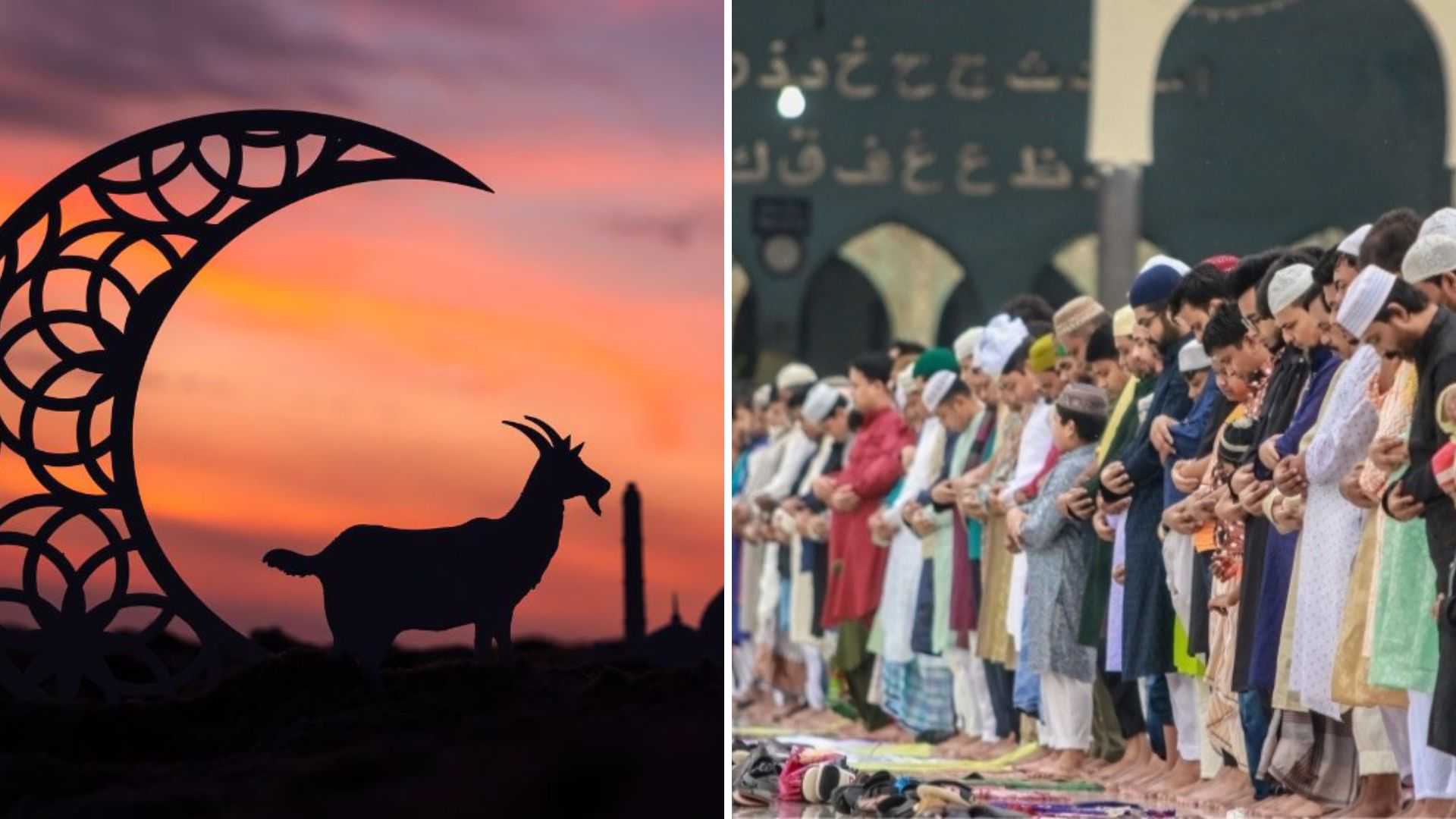
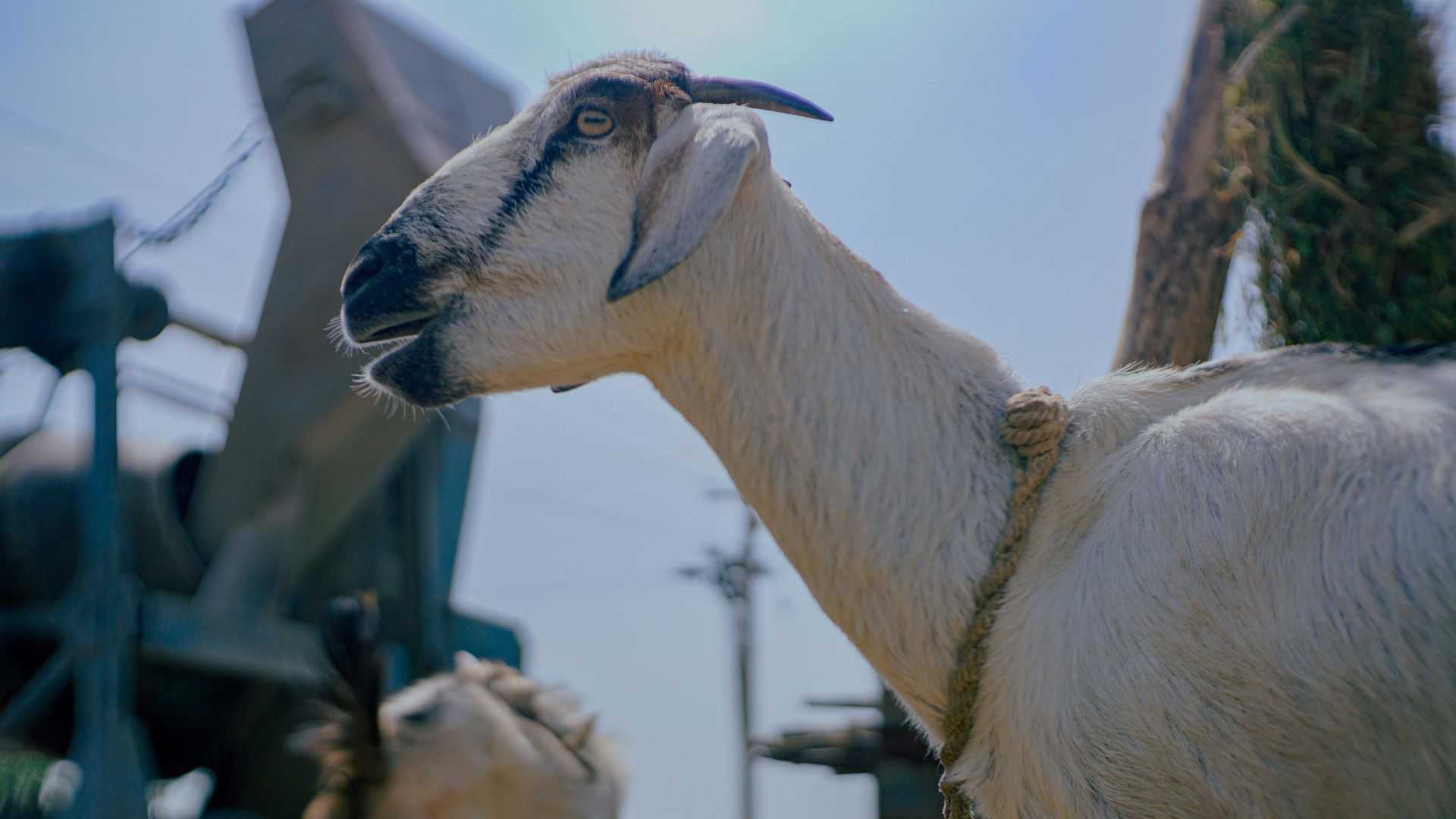
Qurbani is, in Islam, one of the more sacred forms of worship. It happens each year during the blessed days of Dhul Hijjah, and honestly it feels like a big moment for many people. It is connected to the devotion and full obedience of Prophet Ibrahim (AS), who was ready to offer his beloved son Prophet Ismail (AS) for the sake of Allah (SWT). Before the actual sacrifice, Allah replaced Ismail (AS) with a ram, so that whole story becomes a clear sign, faith, submission, and sacrifice for all Muslims.
Right now, Muslims all over the world do Qurbani by slaughtering animals like goats, sheep, cows, buffaloes, or even camels, usually around Eid al-Adha. But there are rulings, and also practical guidelines in Islam, that every Muslim should know before someone goes ahead and offers Qurbani.
In this full guide , we’ll go over the Qurbani rules in Islam. That includes the rules for husbands, wives, and family members, who exactly must give Qurbani, what animals are allowed, how the meat is distributed, and a few other conditions that people often overlook.
What is Qurbani in Islam?

Qurbani, also called Udhiya, means the ritual sacrifice of an animal during Eid al-Adha, as a remembrance of Prophet Ibrahim’s (AS) obedience to Allah.
Doing Qurbani is highly rewarded in Islam. In the Hanafi school of thought, Qurbani is considered wajib (obligatory) for Muslims who are financially able. Meanwhile , other schools view it as a strongly encouraged Sunnah.
Qurbani is not just about cutting or slaughtering an animal. It stands for sincerity, sacrifice, gratitude, and making sure we care for those who are poor and in need, in a real and practical way.
Who Must Perform Qurbani?
In the Hanafi madhab, Qurbani becomes wajib/obligatory for every Muslim who really fits a few things, like :
- Must be a sane adult Muslim
- Must have reached puberty
- Must not be on travel
- Must hold wealth that is higher than the Nisab amount, beyond the normal basic necessities
Usually, someone who is eligible to give Zakat is also considered fit to perform Qurbani.
Nisab amount for Qurbani
Qurbani becomes obligatory when a Muslim has wealth equal to or above :
87.48 grams of gold
or
612.36 grams of silver
This wealth is counted only if it is more than essential needs like food, clothing, a home place, and transportation costs, not beyond that.
What age does Qurbani start to be obligatory?
Qurbani becomes binding once a person reaches puberty, and at the same time they meet the Nisab requirement.
Kids do not have any obligation for Qurbani. But parents can still give Qurbani on behalf of their children, voluntarily, as a kind of spiritual offering.
Qurbani rules for husband and wife
A very common Eid al-Adha question is, “Is one Qurbani enough for the whole family ?”
In the Hanafi school:
If both husband and wife have wealth that is above Nisab, then each of them is required to do Qurbani on their own
The husband’s Qurbani does not automatically cover the wife’s duty, and same idea, the wife’s Qurbani does not cover the husband.
For instance :
If both spouses are financially independent and both meet the Nisab level, then each should offer at least one Qurbani share
A husband can pay for his wife’s Qurbani as a voluntary kindness, but it is not compulsory, so it depends.
So, a financially stable household might end up needing more than one Qurbani share, especially when there are multiple eligible adults.
How Many Qurbani Shares In One Family?
The amount of Qurbani shares really depends on how many grown ups are actually in the family and they do meet the financial conditions, (which is basically nisab).
Example,
- Father meets Nisab → then 1 Qurbani share is required.
- Mother meets Nisab → 1 Qurbani share too.
- Adult son meets Nisab → 1 Qurbani share required.
- Adult daughter with savings above Nisab → also 1 Qurbani share.
A sheep or goat counts as just one, share .
But a cow, buffalo, or camel can be split into seven portions, shares.
So yes, a household of seven eligible people might come together, and offer one cow, where the cow is treated as seven shares.
Which Animals Can Be Used For Qurbani?
Islam has specific rules for which livestock can be chosen for Qurbani, and they’re not random at all.
Eligible Animals
1) Sheep or Goat
-Must be at least 1 year old
-Counts as 1 Qurbani share
2) Cow or Buffalo
-Must be at least 2 years old
-Counts as 7 shares
3) Camel
-Must be at least 5 years old
-Counts as 7 shares
Conditions For A Qurbani Animal That Is Accepted
The animal must be healthy and should be free from serious issues or heavy defects.
The following animals are not suitable, even if people try to make do:
- Blind or one-eyed animals
- Extremely weak or very thin animals
- Animals that can’t walk properly
- Animals missing most of their teeth
- Severely sick or badly injured animals
Islam also pushes mercy and gentleness toward animals, even during sacrifice.
When is Qurbani performed?
The sacrifice time keeps going until sun-set on the 12th Dhul Hijjah ,as many scholars say it like that
or it can be up to 13th Dhul Hijjah, per some views
Typically Qurbani is performed after Eid al-Adha prayer, on the 10th of Dhul Hijjah.
It is also advised to do Qurbani as soon as you can during these good days, because, the earlier timing is more pleasing.
Qurbani slaughtering rule
Islam guides us to treat animals with real kindness. so there are etiquette ,and a set of practices that need to be respected during slaughter.
Key rules for slaughter
- Use a very sharp knife
- Don’t sharpen the knife right in front of the animal
- Also don’t slaughter one animal while another is watching, in front of it
- Recite “Bismillahi Allahu Akbar”
- Avoid extra pain, unnecessary suffering
- And don’t skin the animal until the body has cooled down completely
These rules show the mercy and dignity Islam gives even to animals, not only to people.
How should the Qurbani meat be distributed?
The common recommendation is to split Qurbani meat into three same portions, roughly equal.
- One third for your own home and household
- One third for relatives and friends
- One third for the poor, and those who are in need
However many Muslims nowadays prefer to give the entire Qurbani for donation, to less well-off communities around the world, so families who are struggling can have nutritious meals during Eid too.
Who can receive Qurbani meat?
Qurbani meat is mostly shared with poor , and people who are in genuine need. usually the distribution goes toward those who struggle day to day, and yes sometimes it’s also handled by local charity groups so it lands where it’s really needed.
Priority is often given to:
- Low income families
- Widows , and households headed by women
- Households with older members or someone with disabilities
- Pregnant women
- Mothers with young children
- Families who basically don’t have easy access to food markets
The whole spirit of Qurbani is not only sacrifice, but also mercy, kindness, and sharing blessings with others, in a quiet respectful way.
Can you give Qurbani on behalf of someone else?
Yes, Islam allows Muslims to do Qurbani on behalf of other people, as long as the intention is there and the practice is done properly.
Qurbani can be given:
On behalf of family members
A person may include their family in the reward and in the intention, so it counts for more than just one individual.
On behalf of deceased relatives
Many Muslims choose to do Qurbani for deceased parents or loved ones. they see it as an ongoing form of charity and spiritual reward, even after the person has passed on.
On behalf of someone unable to perform it
If someone is ill, very elderly, or financially unable, you can still carry out Qurbani for them. just keep the intention sincere.
Can multiple Qurbanis be given?
Yes, a Muslim may offer more than one Qurbani. there’s no issue with that, and extra Qurbanis can be tied to additional intention and charity.
The Prophet Muhammad ﷺ offered more than one sacrifice himself. Many Muslims also do extra Qurbanis for:
The Prophet ﷺ
Deceased parents
Family members
Additional charity and reward
Should you avoid cutting your hair and nails before Qurbani?
A lot of scholars say that if someone plans to do Qurbani, they should try not to clip or trim
- Hair
- Nails
- and even Skin
from the start of Dhul Hijjah until the animal sacrifice gets finished.
Now some scholars say this is strongly recommended, but the Hanbali school regards it as obligatory, i mean a person really must treat it that way.
Either way, people usually see the idea as showing devotion, kinda like spiritual readiness for the holy days of Dhul Hijjah.
What if you missed Qurbani in earlier years?
If Qurbani was compulsory on you before, but you didn’t do it, then scholars say you should make up for those missed duties.
For example:
If you missed 3 years of obligatory Qurbani, then this year you offer 4 shares (3 that were missed + the share for this year).
In that way you complete what you owed earlier and you also gain reward now.
Spiritual Importance of Qurbani
Qurbani isn’t only a ceremonial thing. In the Quran Allah explains that neither the meat nor the blood goes to Him, rather what reaches Him is the taqwa—piety, and the sincere intention behind what you sacrifice.
This practice teaches Muslims a few big meanings like:
- Obedience to Allah,
- Sacrifice for faith
- Real gratitude for what you’ve been given
- Mercy, kindness, and compassion towards people
- Generosity toward those who need help
During Eid al-Adha, so many families across the world receive meat, because Qurbani shares and donations get distributed, so it often becomes one of the most powerful forms of charity in Islam.
Final Thoughts
If you’re trying to really get the Qurbani rules in Islam, it matters a lot, especially if you’re a Muslim getting ready for Eid al-Adha. Like, whether you’re figuring out how many Qurbanis are needed for a family , or you’re trying to understand the husband and wife rules, or you want to know the correct way to portion and distribute the meat, all those tiny points count . They help you do the whole sacred act in a right way, not just in a general sense.
Qurbani is basically an expression of iman, thankfulness, and deep devotion to Allah (SWT). When Muslims follow the Islamic guidelines with sincerity, then in sha Allah, the sacrifice can be accepted and also helpful for ourselves, and for the people who really need it, too.
May Allah accept the Qurbani of all Muslims , and may He fill our hearts with sincerity, compassion, and obedience. Ameen.
Read more Islamic Blogs or Follow us on social media for daily Islamic reminders.