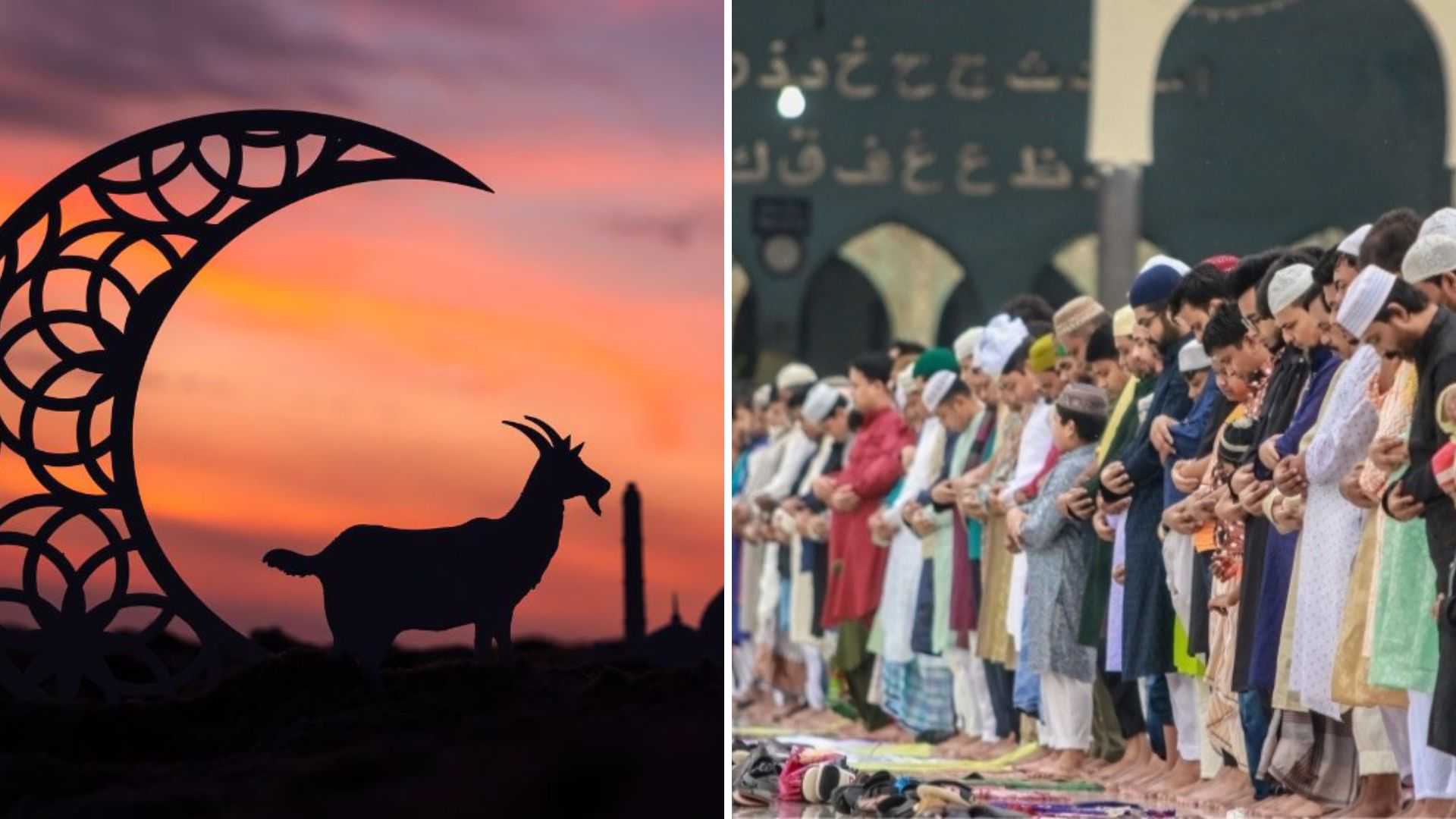
Eid is one of those really joyful, spiritually uplifting occasions in Islam, and it feels like it lifts your whole heart. It’s celebrated by Muslims worldwide, Eid is a time for prayer, thankfulness, family get-togethers, charity and genuine celebration. Still, a lot of people often mix up the two biggest Islamic festivals, Eid al-Fitr and Eid al-Adha.
Even though both of them are deeply meaningful in Islam, and people celebrate them with happiness plus devotion, they actually point to completely different happenings, and they come with their own distinct religious meanings.
In this detailed guide we’ll lay out the difference between Eid al-Adha and Eid al-Fitr, what they mean spiritually, what traditions people follow, the timing, and why each festival ends up holding such a special place in the hearts of Muslims across the world.
What Does “Eid” Mean in Islam?
The word “Eid” in Arabic means festival, celebration, or feast. In Islam, there are two official Eids:
Eid al-Fitr – the festival that marks the end of Ramadan
Eid al-Adha – the festival tied to sacrifice
These Eids were set as worship times by Prophet Muhammad ﷺ , meant to bring gratitude, joy, unity and remembrance.
And just so it’s clear, these aren’t only cultural days. They are acts of devotion to Allah (SWT), filled with prayer, charity, and constant remembrance.
Eid al-Adha vs Eid al-Fitr: Main Difference
The biggest difference between Eid al-Fitr and Eid al-Adha is what exactly each festival is commemorating.
| Eid al-Fitr | Eid al-Adha |
|---|---|
| Celebrates the end of Ramadan fasting | Commemorates Prophet Ibrahim’s sacrifice |
| Occurs in Shawwal | Occurs in Dhul Hijjah |
| Focuses on gratitude after fasting | Focuses on sacrifice and obedience |
| Includes Zakat al-Fitr | Includes Qurbani (animal sacrifice) |
| Lasts 1 day | Lasts 3 days |
| Called the “Small Eid” | Called the “Big Eid” |
Both Eids kind of share that prayer, charity, and family get-togethers vibe, but their religious meanings are a little different.
What is Eid al-Fitr?
Eid al-Fitr is the one that marks the end of the holy month of Ramadan, when Muslims fast from dawn to sunset, for about 29 or 30 days.
“Eid al-Fitr” itself means Festival of Breaking the Fast.
It happens on the 1st of Shawwal, which is the 10th month in the Islamic lunar calendar.
After a month of fasting, worship, patience, and spiritual discipline, Muslims celebrate Eid al-Fitr as a reward, and a blessing from Allah (SWT).
Also Read: 9 Sunnahs of Eid ul Fitr
Why is Eid al-Fitr Important?
Ramadan is honestly one of the most sacred months in Islam. During Ramadan, Muslims often:
- Fast each day from dawn until sunset
- Pray more, and extra prayers
- Read the Qur’an
- Give charity
- Seek forgiveness
- Work on a stronger relationship with Allah
So Eid al-Fitr becomes a kind of celebration of completing that sacred month successfully.
It also feels like a reminder that spiritual growth, discipline, and worship bring big reward and mercy from Allah.
How is Eid al-Fitr Celebrated?
Muslims all over the world celebrate Eid al-Fitr with joy, and gratitude.
Some common Eid al-Fitr customs include
- Waking up early
- Doing ghusl (ritual purification)
- Wearing new or clean clothes
- Eating something before Eid prayer
- Paying Zakat al-Fitr before Eid Salah
- Praying Eid prayer together in congregation
- Saying “Eid Mubarak” to others
- Visiting family members and friends
- Sharing meals and sweets
- Giving gifts to children
The whole atmosphere during Eid al-Fitr is festive, warm, and sort of family-centered , like it’s meant to feel calm but celebratory at the same time.
How long does Eid al-Fitr last?
Officially it lasts one day only, which is the first day of Shawwal.
But you know, in a lot of places—different cultures and countries—people often keep celebrating for a few days, with gatherings, family meals , and that usual festive vibe that goes on a bit longer than “one day”, sometimes.
What is Eid al-Adha?
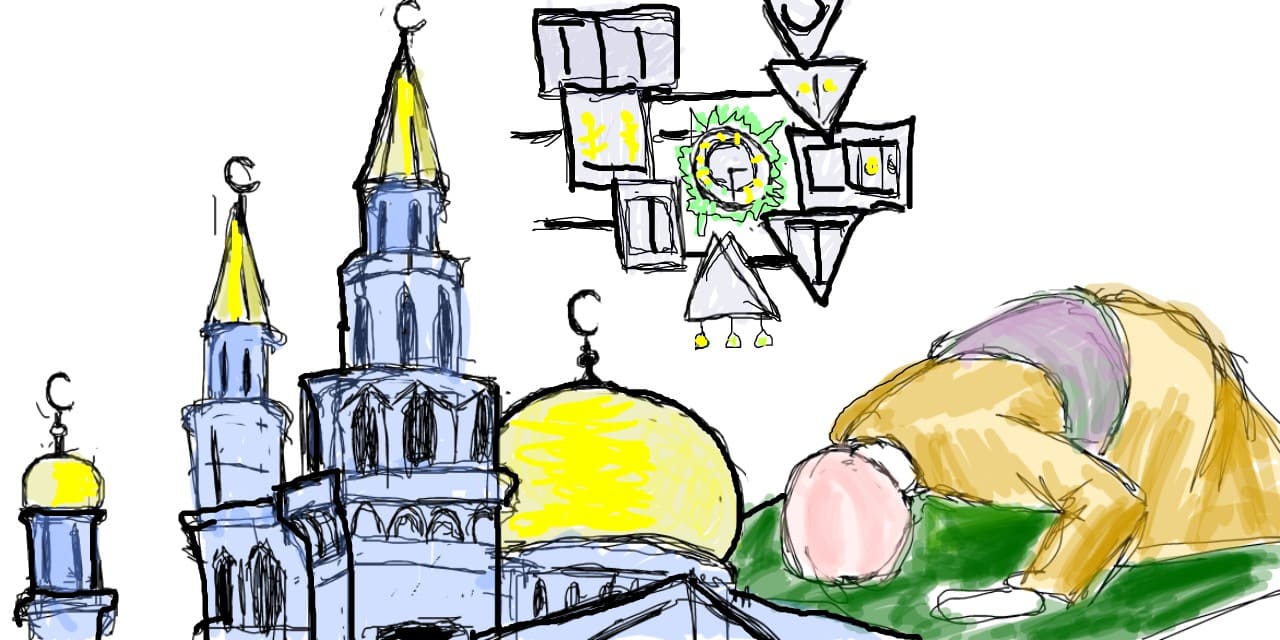
Eid al-Adha is often called the Festival of Sacrifice.
It honors the amazing devotion of Prophet Ibrahim (AS), who was ready to sacrifice his son Prophet Ismail (AS), because of Allah’s command.
Before that sacrifice actually happened, Allah substituted Ismail (AS) with a ram, so the whole point was clear , Ibrahim’s faith and obedience had passed the test.
Muslims observe this by doing Qurbani, basically the animal sacrifice done in the name of Allah.
When is Eid al-Adha celebrated?
Eid al-Adha happens on the 10th day of Dhul Hijjah, the 12th and final month of the Islamic calendar.
It is about two months after Eid al-Fitr, give or take depending on moon sighting and all that.
Also, Eid al-Adha lines up with the yearly Hajj pilgrimage in Makkah, so it becomes one of the most reverent seasons in Islam.
Why does Eid al-Adha matter so much?
Eid al-Adha brings strong reminders for Muslims about things like: obedience to Allah , sacrifice for faith , and patience , plus trust.
And there is also generosity toward others.
This celebration basically reinforces that real devotion means keeping Allah higher than worldly wants.
Plus, the Qurbani itself helps make sure poor and needy families also get meat and food during Eid, so the celebration is shared, not only enjoyed by some.
How is Eid al-Adha Celebrated?
Eid al-Adha is celebrated in a similar way to Eid al-Fitr; it starts with an Eid prayer.
The defining part of Eid al-Adha is Qurbani.
Traditions Associated with Eid al-Adha Include:
- Eid prayer
- Reciting Takbeer
- Offering an animal for sacrifice
- Distributing the meat from the sacrifice to the poor
- Visiting friends and family
- Giving gifts
- Eating and celebrating together
The meat from the sacrifice is normally divided into 3 parts:
- 1/3 for the individual or family who made the sacrifice
- 1/3 for the individual’s or family’s relatives and friends
- 1/3 for those who are poor or in need
Qurbani represents the charity and the community elements of Islam.
How Long Does Eid al-Adha Last?
Eid al-Adha lasts for 3 days. In most Muslim-dominated nations, the event is recognized and celebrated as a public holiday. Each of the 3 days serves as a day of worship, family getting together, eating, and performing good deeds to fellow Muslims and those who are not.
What is Qurbani in Eid al-Adha?
Qurbani is the sacrificial offering performed during the 3 days of Eid al-Adha.
The types of animals that may be offered as Qurbani include:
*Goat
*Sheep
*Cow
*Buffalo
*Camel
Qurbani is intended to serve as a reminder of Prophet Ibrahim and his total and unqualified submission to Allah’s will.
Qurbani is highly recommended for all Muslims who are financially able to offer Qurbani and is a requirement for all Muslims according to the Hanafi school of thought.
Also Read: Qurbani Rules in Islam
What Is Zakat al-Fitr?
The difference between the two Eids is the type of donation associated with either Eid.
Muslims give Zakat al-Fitr (charity before Eid prayers) so the poor may also participate in the celebrations of Eid with dignity and food.
During the ‘Eid al-Adha’, Muslims sacrifice animals and give meat to those who are less fortunate.
Both Eids focus on helping others and sharing blessings with others.
Why Do the Dates of Eid Change Every Year?
The Islamic calendar is lunar, whereas the Gregorian calendar is solar.
Because the lunar calendar is based on seeing the moon, the following applies:
The months in the Islamic calendar are shorter; therefore, Eid dates will change every year.
Hence, Eid al-Fitr and Eid al-Adha will have different Gregorian days every year.
Eid Greetings
Muslims refer to the Eid greeting as “Eid Mubarak” (Blessed Eid) or, if they want to specify, “Eid al-Fitr Mubarak” or “Eid al-Adha Mubarak.”
During the two festivals, Muslims exchange greetings, hugs, prayers, and good wishes.
Similarities Between Eid al-Fitr and Eid al-Adha
Even with all the differences, these two Eids still seem to share quite a bit, like the same general mood, you know. And really both of them come with elements that feel familiar.
Both Eids include:
- Special congregational prayers, and also a sense of closeness with the community
- Charity, helping the poor and giving support where it’s needed
- Family get togethers, you might see it everywhere
- Wearing beautiful clothes, neat and pleasing to the eye
- Sharing food and meals, sometimes bigger than normal
- Gratitude toward Allah
- Community celebrations, with voices, smiles and kind greetings
So yes they both encourage unity, compassion, generosity, and faith, not only for a day but in a wider way too.
Which Eid is Bigger?
Now, people often say Eid al-Adha is the “Greater Eid” because:
- It is tied directly to Hajj, and that connection is strong
- It lasts longer in practice for many communities
- It involves Qurbani, sacrifice for Allah
- It commemorates a huge prophetic sacrifice, a very important one
Meanwhile Eid al-Fitr gets called the “Lesser Eid”, even though “lesser” doesn’t really mean small at all, because it stays deeply important and genuinely beloved.
Final Thoughts
When we understand the difference between Eid al-Adha and Eid al-Fitr it feels easier to appreciate the beauty and depth inside Islamic traditions. Like you can see the meaning a little clearer.
Eid al-Fitr focuses on spiritual discipline, and the completion of Ramadan fasting
Eid al-Adha focuses on sacrifice, obedience, and devotion to Allah
But in the end, both Eids keep reminding Muslims to strengthen their bond with Allah, to support those in need, and to enjoy time with loved ones, even if it’s just for a short while.
Whether it’s fasting, prayer, charity, or Qurbani, these sacred festivals carry the core values of Islam: faith, compassion, gratitude, and unity.
May Allah accept the worship, sacrifices, and good deeds of Muslims everywhere, and allow us all to celebrate many blessed Eids together. Ameen.
Read more Islamic Blogs or Follow us on social media for daily Islamic reminders.