One of the most common questions Muslims ask while buying baking ingredients or desserts is “Is Vanilla Extract Halal?” And i guess it comes up a lot because traditional vanilla extract is made by soaking vanilla beans in alcohol. So many Muslims get worried about whether it is permissible to eat it or not.
Now, the answer is, not exactly just yes or no. Islamic scholars have discussed this for a while, looking deeply at things like what alcohol actually is, why it’s used during manufacturing, whether it stays in the finished product, and also whether it leads to intoxication or not.
In this article, we’ll go through whether Is Vanilla Extract Halal or haram and some nearby questions, using evidence from the Quran, Hadith, and the views of well-known contemporary scholars.
What is Vanilla?
Vanilla (Vanilla planifolia) is a flowering orchid that makes long seed pods commonly called vanilla beans. In fact, it is one of the world’s most valuable spices after saffron , largely because growing and processing it takes a lot of effort.
As described in classical botanical sources, vanilla pods are picked while they’re still greenish-yellow and then cured using a long drying routine. That process helps form the well-known aroma and flavor people associate with vanilla.
Natural vanilla is usually used in things like:
- Cakes
- Cookies
- Ice cream
- Chocolate
- Custards
- Pancakes
- Desserts
- Drinks
- Perfumes
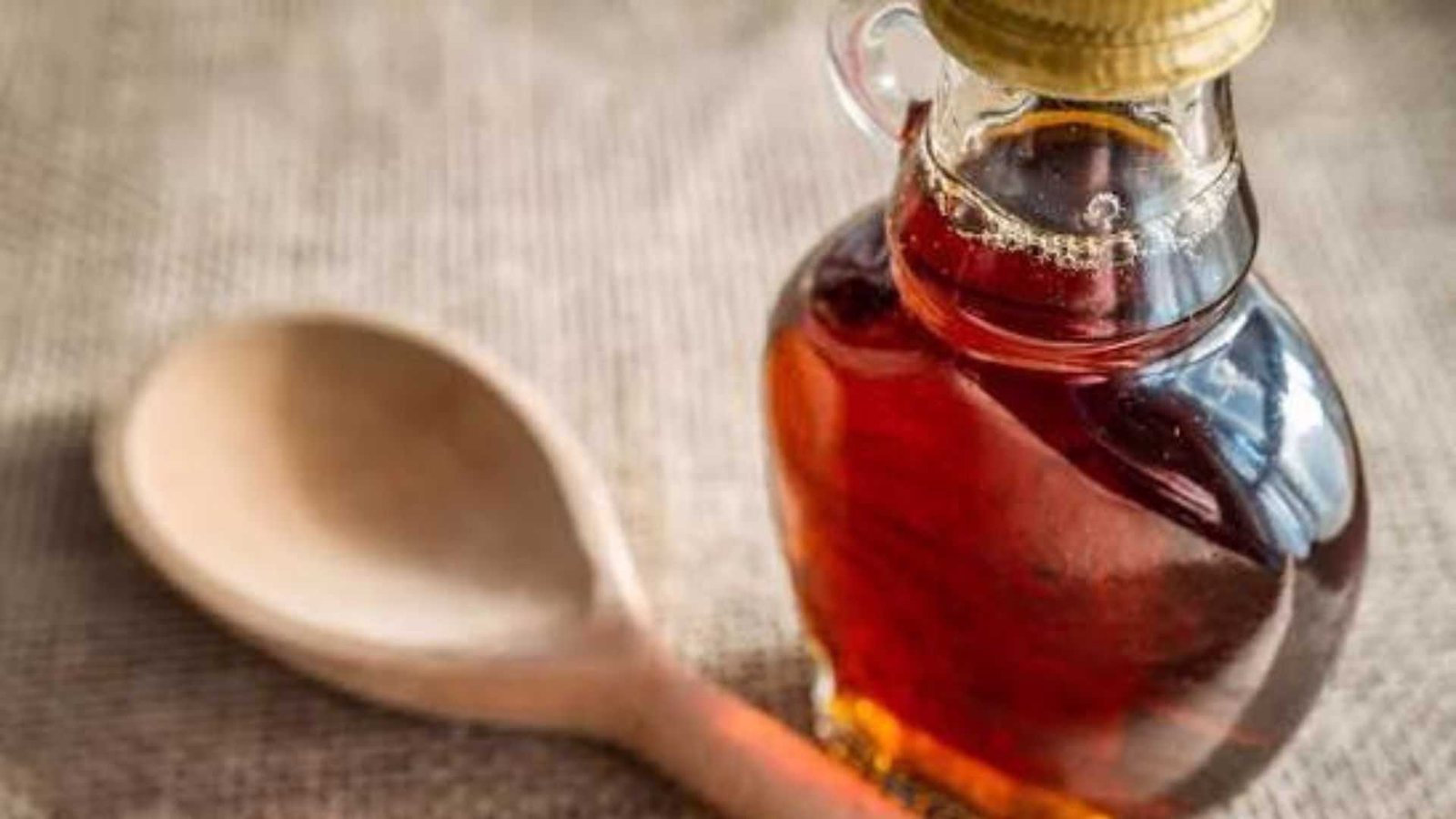
To make natural vanilla extract, chopped vanilla beans are steeped in a blend of water and ethyl alcohol, so the flavor components can dissolve into the liquid.
Why Do Muslims Question Vanilla Extract?
The concern arises because traditional vanilla extract contains alcohol.
Allah says:
“O you who believe! Intoxicants, gambling, idols and divining arrows are an abomination of Satan’s handiwork, so avoid them that you may be successful.”
(Quran 5:90)
Since intoxicating drinks are clearly prohibited in Islam, Muslims naturally end up wondering if foods that use vanilla extract are under the same kind of ruling. I mean, it feels similar, but the details usually matter.
The answer really depends upon how Islamic law looks at alcohol that’s used during food processing, not alcohol that’s meant for drinking or causing intoxication.
Is Vanilla Extract Halal?
The Short Answer
Yes, in most cases , and as many contemporary scholars say, vanilla extract is generally halal, as long as the alcohol is only functioning as a processing solvent, and isn’t consumed as an intoxicant, and also does not stay behind in any meaningful “intoxicating amount” in the finished food.
So this is not just opinion, it is tied to certain Islamic legal principles, and the logic goes kind of like this.
Why Many Scholars Lean Toward Vanilla Extract Being Halal
The reference the user provided highlights two key reasons, and they’re pretty central.
Alcohol Is Not Treated as Physically Unclean by Many Scholars
A number of contemporary scholars hold that alcohol itself is not always considered najis (physically impure), even though drinking intoxicating beverages is absolutely haram.
The actual prohibition, in their framing, relates more to intoxication and the unlawful purpose, rather than treating the substance automatically as physically filthy in every use-case.
The Alcohol Used Has No Real Intoxicating Effect
In vanilla extraction, the alcohol mainly works as a solvent, basically pulling the flavor compounds out of the vanilla beans. It’s meant for extraction, not for drinking.
And according to the material:
- the alcohol does not intoxicate the person eating,
- it doesn’t leave a meaningful effect in the final food,
- and whatever residue might remain is extremely minor, not enough to cause intoxication.
So, based on that, consuming foods that are flavored with vanilla extract is usually regarded as permissible.
Opinion of Shaykh Ibn Uthaymeen (رحمه الله)
Shaykh Muhammad ibn Salih al-Uthaymeen explained:
“Do not think that any ratio of alcohol that there may be in a thing makes it haram. Rather, if the ratio is such that if a person drinks this liquid he becomes intoxicated, then it is haram. But if the ratio is very small, has disappeared, leaves no trace, and has no intoxicating effect, then it is halal.”
This opinion has become one of the most widely cited rulings regarding vanilla extract.
Islamic Organization for Medical Sciences
The Islamic Organization for Medical Sciences also looked at food manufacturing that involves alcohol, kind of thing.
From what they concluded, the points were like this:
Alcohol is not, physically impure.
Small amounts used during food manufacturing to dissolve flavors, preservatives , or coloring agents are permissible.
A lot of the alcohol evaporates during processing.
So these products may be consumed because leaving them out completely would create, unnecessary hardship.
This discussion also shows up with Shaykh Wahbah az-Zuhayli in Al-Fiqh al-Islami wa Adillatuhu
Is Vanilla Extract Haram?
When it may turn out haram
Vanilla extract can become haram if for example:
- it has alcohol in an intoxicating measure,
- it is taken directly as an alcoholic liquid,
- the alcohol stays present in amounts that could cause intoxication,
- or it is deliberately used as a drink meant for intoxication.
But because commercial vanilla extract is typically used only in tiny amounts for flavor, and not as an alcoholic liquid, most scholars usually do not treat it as haram.
So in general, the answer to “Is Vanilla Extract Haram?” is No, as long as it’s used in normal cooking portions and it is not something that causes intoxication.
Is Vanilla Essence Halal?
Many people also ask this, like
Is Vanilla Essence Halal
The answer depends on what’s actually inside the product.
Natural vanilla essence may be:
- alcohol-based
- glycerin-based
- propylene glycol-based
- water-based
Meanwhile artificial vanilla essence might include synthetic vanillin, and it may be without alcohol.
So always check the ingredient list, carefully.
If the product only includes permissible ingredients, or it follows the earlier principles about minimal processing alcohol, then many scholars consider it halal.
And if it’s halal-certified vanilla essence, then honestly it gives the most, confidence.
Is Vanilla Powder Halal?
Yeah, vanilla powder is generally halal, like most of the time. Pure vanilla powder is usually made from dried vanilla beans or ground vanilla pods.
Now some commercial vanilla powders can also have sugar, cornstarch, and maltodextrin too. Since these products usually don’t involve alcohol extraction, vanilla powder ends up being a preferred choice for Muslims who want to stay away from alcohol-based extracts.
Still , you should always scan the ingredient label , because there can be additives or flavor carriers you didn’t expect.
Is Bourbon Vanilla Extract Halal?
“Bourbon Vanilla” does not mean bourbon whiskey , not at all. The name actually comes from the older name of Île Bourbon (which is now Réunion Island) where a specific vanilla variety was grown.
But here’s the issue, most bourbon vanilla extracts are produced using ethyl alcohol as the extraction medium.
According to the scholarly approach mentioned earlier, many scholars say bourbon vanilla extract is permissible if the alcohol is only used as a solvent and ends up not being present in an intoxicating amount in the final food that you consume.
If you want to avoid alcohol completely, you can look for alcohol-free bourbon vanilla extracts, or you can choose halal-certified options instead.
Is Nielsen-Massey Vanilla Extract Halal?
Nielsen-Massey is, like really well known, one of the global vanilla brands people keep mentioning. Their usual vanilla extracts are generally made by using alcohol as the extraction solvent. Now with most “regular” vanilla extracts, the halal answer can shift depending on which Islamic view you follow about alcohol processing, and yeah that part can get nuanced.
Also, some halal certification groups have okayed certain Nielsen-Massey items, but other groups might not do the same—especially if they are dealing with alcohol-based extraction. So in practice:
- See if the exact product has halal certification in your country
- Look at the ingredients list, carefully
- If there is no clear certificate, follow what trusted scholars say about this kind of extraction
Is Dr. Oetker Vanilla Extract Halal?
Dr. Oetker makes quite a range of vanilla related stuff, including vanilla extracts, essences, flavorings, and even vanilla sugar.
But the halal ruling is not one-size-fits-all. It really depends on the exact item and also the country of manufacture, because the ingredient setup can differ, region to region. Some versions may be free of alcohol, while others may include alcohol during the extraction process.
Before you buy anything:
- Read the ingredient label properly
- Check for halal certification, when it is available
- If it’s unclear, contact the manufacturer and ask about that specific product
Quran and Hadith on Intoxicants
Allah says:
“They ask you concerning wine and gambling. Say: In them is great sin and some benefit for people, but their sin is greater than their benefit.”
(Quran 2:219)
Later, Allah completely prohibited intoxicants:
“Avoid intoxicants so that you may be successful.”
(Quran 5:90-91)
The Prophet ﷺ said:
“Every intoxicant is khamr, and every khamr is forbidden.”
(Sahih Muslim 2003)
These texts establish the prohibition of intoxicating drinks, while scholars apply principles of Islamic jurisprudence when assessing processed food ingredients such as vanilla extract.
Practical tips for Muslim consumers
If you’re ever unsure about whether a vanilla product is halal , don’t stress too much but do check . Sometimes it’s not clear at first glance, so
- pick halal-certified items when you can , it’s the easiest path
- read the ingredient label carefully , not quickly
- when available, go for alcohol-free vanilla extract
- you can also think about vanilla powder or vanilla beans as substitutes
- and follow the advice of trusted scholars , based on your madhhab or school of thought
Even when the doubt stays there a bit, being cautious is something good and praiseworthy.
The Prophet ﷺ said:
“Leave that which makes you doubt for that which does not make you doubt.”
(Jami’ at-Tirmidhi 2518)
Frequently asked questions
Is vanilla extract halal?
Many contemporary scholars say yes , generally. If the alcohol is only used during extraction, it is not intoxicating, and it does not remain in an intoxicating amount in the food then vanilla extract is typically seen as halal.
Is vanilla extract haram?
Not automatically. It becomes haram if you drink or eat it in a form that intoxicates , or if it has alcohol in a quantity that leads to intoxication.
Is vanilla essence halal?
A lot of vanilla essences are halal, especially those that are alcohol-free or halal-certified. Before buying, check ingredients and any certification.
Is vanilla powder halal?
Yes. Pure vanilla powder is usually halal, because it’s made from dried vanilla beans and it typically has no alcohol in it.
Is bourbon vanilla extract halal?
“Bourbon” is the name of the vanilla type and its origin, not whiskey. So its ruling depends on the manufacturing process, and also on whether any alcohol involved is within the scholarly guidelines mentioned earlier.
Is Nielsen-Massey Vanilla Extract halal?
Some shoppers say it can be acceptable, depending on what certain scholars allow when alcohol is used in processing. But honestly you really should check the halal certification and also the ingredients for that exact product, because the details do vary.
Is Dr. Oetker Vanilla Extract halal?
This one is not a flat yes or no. It depends on the specific item, and also the country it was made in. So, read the label carefully, and if you can, look for a halal logo or halal certification from a trusted body.
Conclusion
The question “Is Vanilla Extract halal?” has been discussed a lot by contemporary Islamic scholars. From the material people reference, many say vanilla extract used in foods is permissible, since the alcohol is basically a processing aid, it doesn’t cause intoxication, and in the final product there is no meaningful intoxicating effect. The same general idea is used when asking “Is Vanilla Essence halal?” or when checking options like bourbon vanilla extract, Nielsen-Massey vanilla extract, and Dr. Oetker vanilla extract. Still, methods and ingredient lists can be a little different from brand to brand, and even between regions, so Muslims should always check the ingredients, try to find halal certification if available, and rely on knowledgeable scholars you trust. If there’s real uncertainty, picking a version that is alcohol-free is usually the safer choice, and you can still enjoy vanilla flavored foods.
Read more Islamic Blogs or Follow us on social media for daily Islamic reminders.
References
Quran
- Surah Al-Baqarah (2:219)
- Surah Al-Ma’idah (5:90–91)
Hadith
- Sahih Muslim 2003 – Every intoxicant is forbidden.
- Jami’ at-Tirmidhi 2518 – Leave what causes doubt.
Scholarly Reference (provided by the user)
- Vanilla production process, ruling on vanilla extract, opinions of Shaykh Ibn Uthaymeen, and conclusions of the Islamic Organization for Medical Sciences regarding alcohol used as a processing aid.