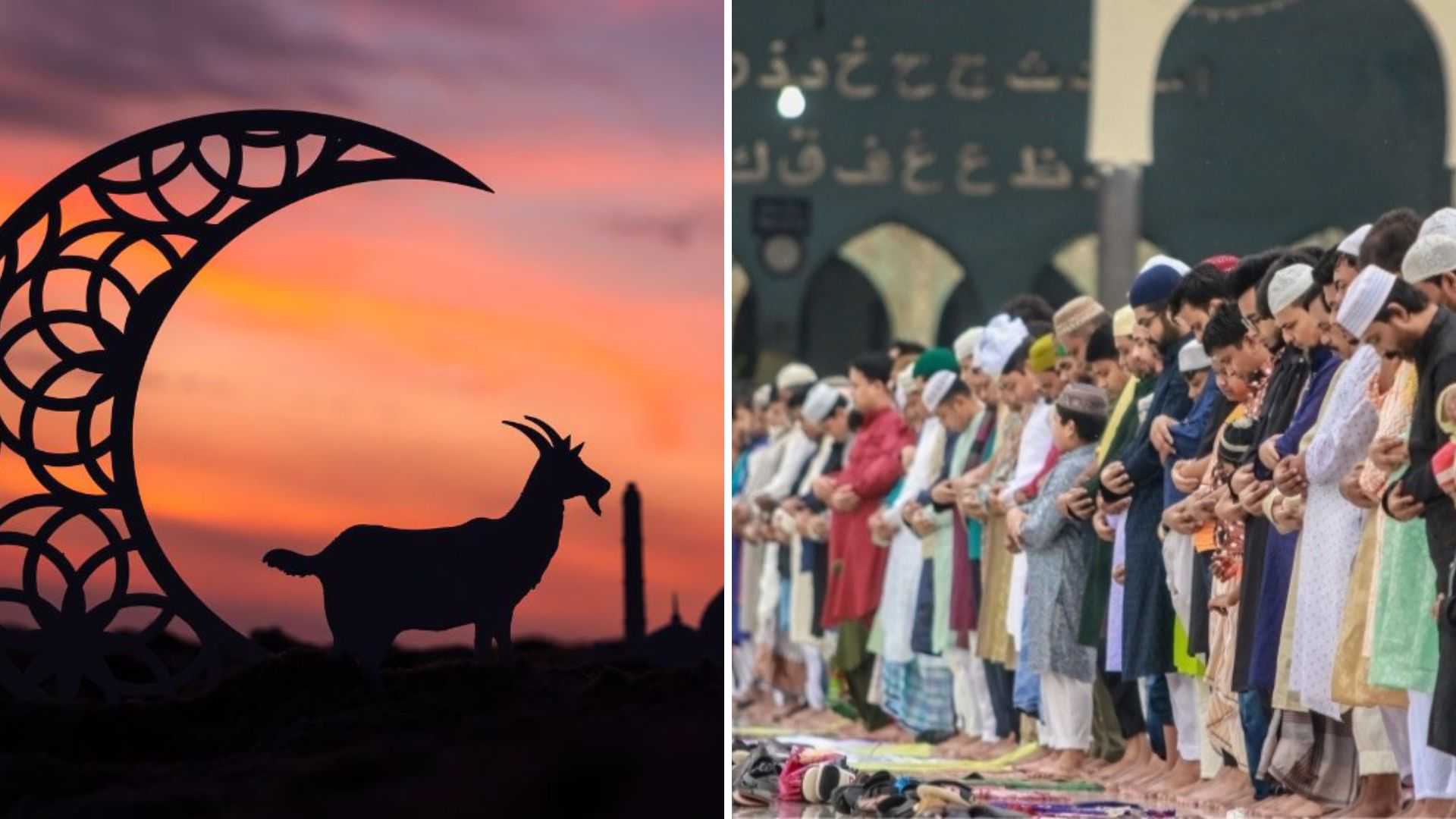
![Islamic Dietary Laws Muslim Dietary Restrictions [HalalHaram Guide]](https://wordofprophet.com/wp-content/uploads/2026/07/Islamic-Dietary-Laws-Muslim-Dietary-Restrictions-HalalHaram-Guide.jpg)
Islamic Dietary Laws, Muslim Dietary Restrictions, all of that is more than just a food topic. Islam is a whole way of life really, it gives direction for nearly every part of human existence— including what Muslims eat and drink, and even how they should think about it. Islamic Dietary Laws are not just “healthy suggestions,” instead they are divine instructions, revealed in the Quran and clarified through the Sunnah ,meaning the traditions of Prophet Muhammad ﷺ. When someone follows these food teachings, they are doing more than eating, it becomes worship, and it also helps guard physical health, spiritual balance, and moral stability, in a very direct way.
Now, fast forward to today, there are more than two billion Muslims worldwide, and food systems feel a lot more complicated than before. Because of that, learning about Muslim Dietary Restrictions matters more than ever. Many modern, processed foods may include hidden ingredients, preservatives, emulsifiers, and extra flavorings, and the sources of those things might not be easy to see or confirm. So, in practice, every Muslim needs to know the basic ideas behind halal, haram, and doubtful or mashbooh foods.
In this guide, I will explain Islamic dietary rules using trustworthy references from the Quran and Hadith.
What are Islamic Dietary Laws?
Islamic Dietary Laws are Allah سبحانه وتعالى’s rulings that decide what foods and drinks are allowed (Halal) and what foods and drinks are forbidden (Haram).
Allah says:
“O mankind, eat from whatever is on earth [that is] lawful (halal) and good (tayyib), and do not follow the footsteps of Satan.”
(Quran 2:168)
Another verse states:
“Today all good foods have been made lawful for you.”
(Quran 5:5)
These verses lock in two essential principles :
Food must be Halal , lawful.
And food should also be Tayyib, which is pure, wholesome, and genuinely beneficial.
Islam isn’t only about legality though, it also pushes Muslims to take in clean, healthy, and ethical meals , like a better type of sustenance not just “allowed” by rules.
The Three Categories of Food in Islam
Most Islamic scholars usually group foods into three categories, sort of like that.
1. Halal (Permissible)
Best Foods mentioned in the Quran and Hadith
The Arabic term Halal basically means “lawful” or “permissible.”
Examples include:
Fruits, Vegetables, Grains, Legumes, Nuts
Milk and Honey
Fish and most seafood (though this can depend on scholarly views)
Beef , lamb, goat , and poultry slaughtered according to Islamic guidelines
In most cases these foods don’t become haram unless they’re contaminated with prohibited ingredients, or they’re prepared in a wrong way.
2. Haram (Forbidden)
Haram means anything that Allah and His Messenger ﷺ explicitly forbid.
Allah says:
“Forbidden to you are dead animals, blood, the flesh of swine, and that which has been dedicated to other than Allah…”
(Quran 5:3)
Anything classified as haram must be completely avoided unless there is an exceptional case of necessity (Darurah).
3. Mashbooh (Doubtful)
Modern food manufacturing has introduced a third category called Mashbooh, meaning doubtful or questionable.
The Prophet Muhammad ﷺ said:
“The lawful is clear and the unlawful is clear, and between them are doubtful matters which many people do not know. Whoever avoids doubtful matters protects his religion and his honor.”
(Sahih al-Bukhari 52; Sahih Muslim 1599)
Whenever Muslims cannot verify whether an ingredient is halal or haram, they should avoid it until its source becomes clear.
Major Muslim Dietary Restrictions
Here’s the thing, in Islamic law the following foods are basically not allowed and yeah its pretty strict.
1. Pork and Pork Products
Pork is one of the clearest prohibitions in Islam.
Allah brings it up again and again, not just once:
Quran 2:173
Quran 5:3
Quran 6:145
Quran 16:115
So the prohinition covers things like:
Bacon
Ham
Lard
Pork gelatin
Pork enzymes
Pork shortening
And even small amounts are still not permitted, no matter how they label it.
2. Blood
The Quran also forbids consuming blood.
“Forbidden to you are blood …”
(Quran 5:3)
So things like blood sausages, and foods made from blood, are haram.
3. Carrion, or dead animals
If an animal dies on its own, or it wasn’t slaughtered in the proper way, then it can’t be eaten.
Allah says:
“Forbidden to you are dead animals …”
(Quran 5:3)
4. Alcohol and anything that intoxicates
Islam prohibits intoxicants fully.
Allah says:
“O you who believe! Intoxicants, gambling, idols, and divining arrows are but defilement from the work of Satan, so avoid them.”
(Quran 5:90-91)
And the Prophet ﷺ adds:
“Every intoxicant is khamr, and every khamr is forbidden.”
(Sahih Muslim 2003)
This includes things such as:
Beer
Wine
Whiskey
Vodka
Rum
Liquors
Alcohol-based beverages
Also, a lot of scholars tell people to be cautious with foods that use alcohol-based flavoring or extracts, even if it feels “minor” sometimes.
5. Animals not slaughtered by Islamic rules
Even when the animal is halal by type, like a cow or chicken, it becomes haram if it wasn’t slaughtered according to Islamic requirements.
You need:
The animal has to be alive and healthy
Allah’s name should be mentioned
A sharp knife should be used
The blood has to be drained properly
Cruelty must be avoided
This method is commonly called Dhabiha , or Zabiha , and people usually use both terms.
6. Carnivorous Animals
The Prophet ﷺ prohibited, eating animals that have fangs.
For instance, you will find Lions, Tigers, Wolves, Dogs and Leopards listed as examples.
Also, birds that hunt with talons—like eagles, and hawks—are not permitted, either.
(Sahih Muslim)
Halal Meat and Islamic Slaughter (Dhabiha)
One of the most important points in Muslim food limits is about meat.
So for meat to be halal
– the animal should be from a permissible species
– it must be in a healthy state at the time of slaughter
– Allah’s name must be invoked
– the blood should be fully drained
– the method of slaughter should be humane
Islam also stresses gentleness toward animals, even when they are being slaughtered.
The Prophet ﷺ said:
“Allah has prescribed excellence in everything. When you slaughter, slaughter well.”
(Sahih Muslim 1955)
Modern Food Ingredients Muslims Should Watch For
These days, processed foods can have ingredients where the origins are hard to pin down.
Some typical doubtful ones are like:
Gelatin
That can be made from pork ,or from non-halal cattle too.
Mono and Diglycerides (E471)
Sometimes these come from plants ,but also can be from animals.
Enzymes
Found in cheese and bakery items, and they might be animal-derived , depending on the source.
Rennet
A traditional cheese-making aid that usually needs halal checking, because not every supply is the same.
Whey
Its halal status is not always fixed, it depends on how the cheese was produced.
Glycerin (Glycerol)
This can come from vegetable oils, or from animal tallow, so it’s not automatic.
L-Cysteine
At times it’s produced from feathers or other animal sources.
Natural Flavors
“Natural” doesn’t always mean “clean” either, because it can include alcohol carriers or derivatives from animals.
Carmine
It’s a red coloring obtained from insects ,and scholars differ in how they view its permissibility.
So whenever there’s uncertainty Muslims should really look for certified halal alternatives, even if the label seems close.
Understanding Halal Certification
Since modern supply chains are complicated, halal certification gives more assurance that the product actually fits Islamic requirements.
A halal certification organization usually checks things like:
Raw ingredients
The manufacturing process
Cleaning methods
Cross contamination prevention
Packaging
Storage
Transportation
Certification itself is not exactly a religious duty ,but it works as a practical way so Muslims can spot permissible products with greater confidence.
Eating Halal in Non-Muslim Countries
Muslims who live somewhere where halal food is a bit hard to find can still keep to Islamic Dietary Laws. Usually it’s just about being practical, and yes, paying extra attention in a calm way.
You can do things like: buy products that have a recognized halal certification, and if that’s not clear then pause a moment.
Read the ingredient labels carefully, because sometimes small additions show up in the most simple items.
When you eat out, it helps to ask the restaurant directly about what goes into the food and how it’s prepared.
If halal meat is not available, then choosing a vegetarian or vegan meal can work, but still double check for alcohol, or any non-halal additives even if the dish sounds “safe”.
Also, try to avoid doubtful foods, whenever reliable information is not at hand, it’s better to pass than guess.
The Principle of Necessity (Darurah)
So if a Muslim is truly stuck—like starvation, or a situation that could become life-threatening—and there is no halal food anywhere, then Islam allows eating what is otherwise prohibited, but only as much as is necessary. The aim is to preserve life, not to expand beyond what the situation really demands.
Allah says:
“But whoever is forced by necessity, neither desiring it nor transgressing, there is no sin upon him.”
(Quran 2:173)
This exception applies only in genuine emergencies.
Conclusion
Islamic Dietary Laws are, like way more than just a simple list of foods that are allowed or not allowed. they really show up as a key part of how a Muslim stays obedient to Allah. every single meal becomes sort of a chance to practice faith, feel gratitude, and build self control, in a real everyday way.
When someone understands Muslim dietary restrictions, it gets easier to steer away from prohibited foods, spot doubtful ingredients, and make smarter decisions in this complicated modern food industry. And if Muslims stick with the Quran, the Sunnah, and follow reliable halal guidance, then what nourishes the body also ends up supporting the believer’s bond with Allah.
In the end, choosing halal is not only about eating lawful food. it’s also about living with purity, awareness of Allah (taqwa) and obeying His commands , even when nobody is watching.
Read more Islamic Blogs or Follow us on social media for daily Islamic reminders.
Frequently Asked Questions
Is all vegetarian food halal?
No. Vegetarian food can still have alcohol , or non-halal enzymes, gelatin and other forbidden substances. Sometimes it’s the “hidden” stuff you miss
Is all vegan food halal?
No not always. A vegan item might use alcohol based flavorings or processing aids that need checking, so verification matters
Is seafood always halal?
Most people, scholars especially, say fish is fine. Still the opinions shift between Islamic schools on shellfish, crabs, lobsters, frogs and even specific marine creatures. In practice Muslims should rely on the advice of properly qualified scholars tied to their school of jurisprudence.
Is kosher food automatically halal?
Not automatically. Yes kosher and halal can look similar in places but kosher rules don’t fully cover every Islamic requirement. Especially, the way Allah’s name is invoked during slaughter and the inclusion of particular ingredients can make a difference
References
Quran
Surah Al-Baqarah (2:168, 2:173, 2:219)
Surah Al-Ma’idah (5:3, 5:5, 5:90–91)
Surah Al-An’am (6:119, 6:145)
Surah An-Nahl (16:115)
Hadith
Sahih al-Bukhari – Book of Faith (Halal and Haram Hadith)
Sahih Muslim 1599 – Doubtful Matters
Sahih Muslim 1934 – Carnivorous Animals
Sahih Muslim 1955 – Excellence in Slaughter
Sahih Muslim 2003 – Every Intoxicant is Forbidden