One of the most fundamental beliefs in Islam is Tawheed- the absolute Oneness of Allah. Every Muslim is required to worship Allah alone, without associating any partner with Him . The opposite of Tawheed is Shirk , which is considered the greatest sin in Islam .
Understanding What Is Shirk In Islam is honestly essential for every Muslim because it directly touches one’s faith, and the way someone relates to Allah. The Quran repeatedly warns believers , not to mix partners with Allah, and the Prophet Muhammad ﷺ emphasized that guarding one’s faith from Shirk is among the biggest responsibilities of a believer.
This article will cover What Is Shirk In Islam, the Types Of Shirk their examples, and practical ways to avoid them , based on authentic Islamic teachings.
What Does Shirk Mean?
The Arabic word Shirk (الشرك) is connected to a root meaning “to share” or “to associate.” In Islamic usage, Shirk means involving partners with Allah in matters that are only His— exclusively .
So this includes, associating others with Allah in:
- His Lordship (Rububiyyah)
- His right to be worshipped (Uluhiyyah)
- His Beautiful Names and Attributes (Asma wa Sifat)
In simple terms, Shirk happens whenever someone gives to a created being a privilege that belongs only to Allah.
Why Is Shirk the Greatest Sin?
Islam teaches that Allah is the Creator, the Sustainer, and the Lord of everything. Since only Allah truly holds these perfect qualities , worship must be directed to Him alone.
Allah says:
“Indeed, Allah does not forgive associating partners with Him, but He forgives what is less than that for whom He wills.”
(Surah An-Nisa 4:48)
This verse highlights the seriousness of Shirk. While Allah may forgive any sin through sincere repentance, dying without repenting from major Shirk places a person in grave danger.
Allah also says:
“Indeed, whoever associates partners with Allah—Allah has forbidden Paradise for him, and his refuge is the Fire.”
(Surah Al-Ma’idah 5:72)
These verses demonstrate why every Muslim should learn about Shirk and strive to avoid it.
The Prophet ﷺ Warned Against Shirk
The Messenger of Allah ﷺ said:
“Whoever dies while calling upon a rival besides Allah will enter Hell.”
(Sahih al-Bukhari, Sahih Muslim)
This Hadith clearly shows that worship must be directed solely to Allah.
Another famous narration states:
“The thing I fear most for you is minor Shirk.”
When the Companions asked what minor Shirk was, the Prophet ﷺ replied:
“Showing off (Riya).”
(Musnad Ahmad)
Even acts that appear outwardly righteous can become spiritually harmful if they are performed to gain people’s praise instead of seeking Allah’s pleasure.
Types of Shirk
Islamic scholars usually split Shirk into two main groups, like Major Shirk (Shirk Akbar) and Minor Shirk (Shirk Asghar). And some scholars also discuss Hidden Shirk (Shirk Khafi), as a description for concealed association, especially when the intentions are not fully sincere.
1. Major Shirk (Shirk Akbar)
Major Shirk is the most serious form of taking associates with Allah. In many cases it cancels a person’s faith, if it is done intentionally, and not followed by repentance.
Major Shirk also covers giving, to any being, a right that is reserved only for Allah.
Some examples are like these:
Worshipping idols, or treating them as worthy.
Praying to the dead.
Asking for supernatural help from saints, spirits, or jinn.
Believing that another entity governs the universe on its own, separate from Allah.
Believing someone else has total knowledge of the unseen, equal to Allah.
Making sacrifices, or offering them, for someone other than Allah.
These things go against the core foundation of Islamic belief, pretty directly.
Forms of Major Shirk
Shirk in Worship
One of the clearest examples shows up when acts of devotion are aimed at anyone except Allah.
Acts of worship include, but aren’t limited to:
Salah (prayer)
Du’a (supplication)
Sacrifice
Vows
Seeking divine aid
Relying on a matter, as if the person can handle what only Allah controls
Allah says:
“So do not invoke with Allah another deity.”
(Surah Al-Qasas 28:88)
Shirk in Lordship
This kind happens when someone believes another being shares Allah’s authority, over creation.
For example, believing that someone besides Allah:
Creates life.
Controls destiny in a separate way, independently.
Provides sustenance on their own.
Directs nature through their own power
Islam teaches that these abilities belong to Allah alone, without partners, and without rivals.
Shirk in Allah’s Names and Attributes
Allah has perfect Names and Attributes. They belong exclusively to Him. And no one else, not even a human being, can claim that kind of special, right. It is impermissible to think that any person shares Allah’s unique qualities like absolute knowledge of the unseen, or unrestricted command over everything that was created, or full control that is not for anyone except Him.
Allah says:
“ Say : None in the heavens and the earth knows the unseen except Allah .”
(Surah An-Naml 27:65)
2. Minor Shirk (Shirk Asghar)
Minor Shirk doesn’t remove a person from Islam but it is still a major sin in meaning, because it weakens sincerity. And sometimes it can open the door toward greater forms of Shirk, even if a person doesn’t realize it at first.
The Prophet ﷺ warned the Muslims about it. Mainly because it is subtle, like it can hide inside good intentions.
Examples of Minor Shirk
Showing off (Riya)
Doing acts of worship in order to impress others, not to reach Allah’s pleasure and nearness.
Examples
Praying in a very impressive way only when people are watching .
Giving charity for praise.
Reciting the Quran so people admire you.
The reward for those deeds may be wiped out, because sincerity is the core of worship.
Swearing by other than Allah
The Prophet ﷺ said:
“Whoever swears by other than Allah has committed Shirk.”
(Sunan Abu Dawud; Jami’ at-Tirmidhi)
Muslims should swear only by Allah when necessary.
Superstitions and Omens
Islam really discourages the idea that certain objects, dates, or happenings by themselves can bring either good fortune or bad outcomes. Like, not even a little as a separate cause, you know? You should put your heart, your trust and your hopes in Allah, not in some extra superstious thing that people talk about.
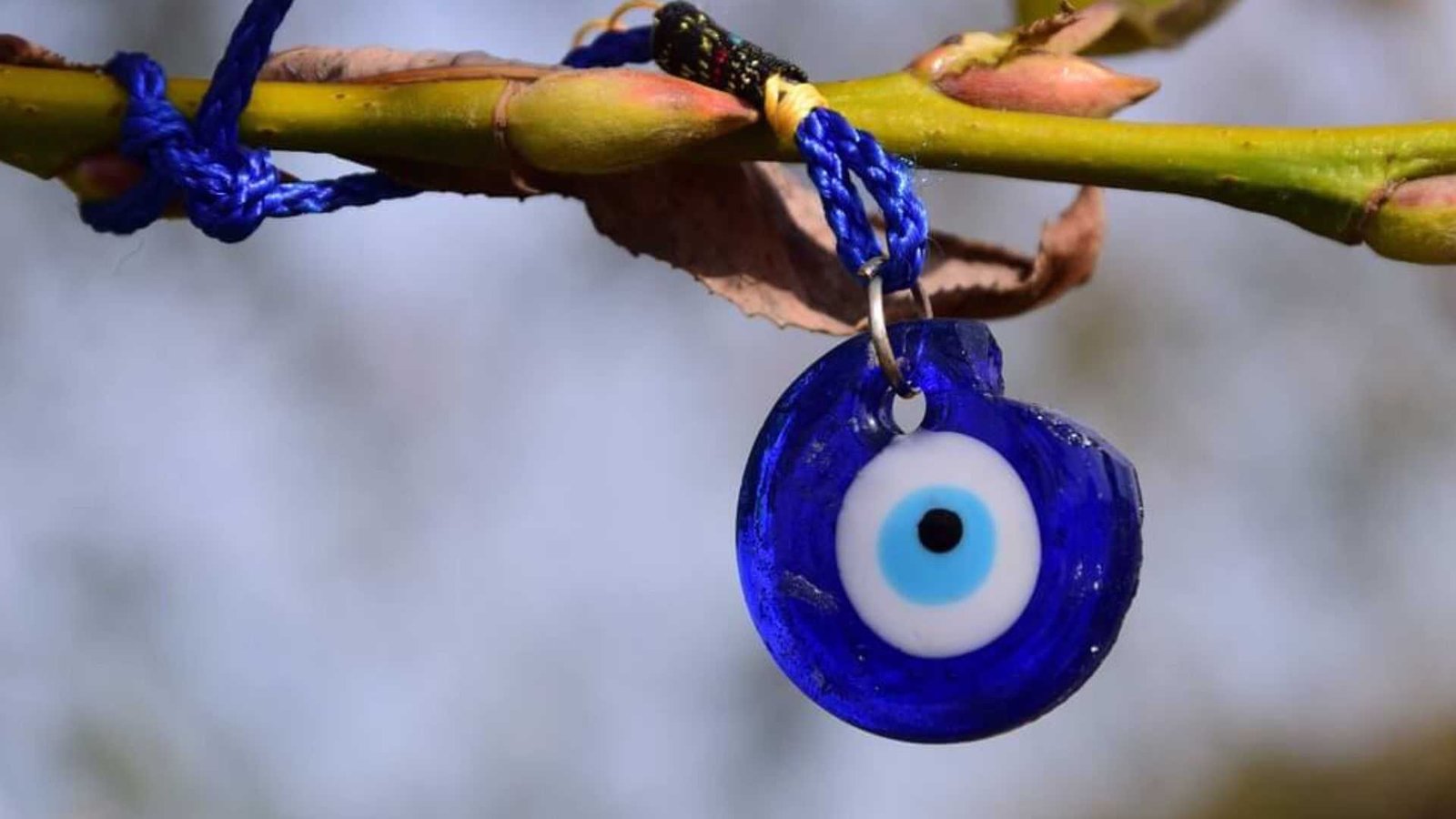
Wearing Amulets for Protection
A lot of scholars see wearing amulets, charms, talismans, or similar objects that people claim can block harm on their own, as a minor Shirk. It gets counted especially when there is no solid support from the Quran or Sunnah. Protection is from Allah alone, full stop. Anything else is really just, trying to outsource safety, which Islam doesn’t approve.
Hidden Shirk (Shirk Khafi)
Hidden Shirk is more subtle. It means a slight insincerity that might not be obvious to other people.
For example, someone can:
Seek praise while doing worship.
Feel like being noticed matters more than Allah’s pleasure.
Get upset, annoyed, or down when good deeds don’t get recognized.
Since these things are inside the heart, Muslims are encouraged to check themselves from time to time, and renew sincerity again and again.
Practical Examples of Shirk to Avoid
Modern Muslims also need to be careful about things that go against Tawheed, like:
Asking the dead for help.
Believing fortune tellers truly know the unseen.
Relying on lucky charms or objects as protection.
Looking for blessings from objects, without any evidence from Islam.
Worshipping, or doing religious actions, mainly for social recognition.
Giving divine power to any human being, even if the intention feels “small”.
Keeping Tawheed protected needs both the right belief, and also worship that stays sincere.
How to Protect Yourself from Shirk
Islam gives real world advice for keeping your faith safe, even when life gets a bit confusing.
Learn Tawheed, really take it in
When you understand Allah’s Oneness, you become able to notice stuff that can go against what Islam teaches, not just ideas in theory but also daily habits.
Worship Allah Alone, not halfway
All acts of worship should be aimed, fully and directly at Allah. Nothing else should be treated like that.
Renew Your Intention, before you start
Before you do any good deed, pause for a moment and ask yourself if it is for Allah’s sake for real. Not for people to see, or for pride, or for “extra credit”.
Avoid Superstitions and odd beliefs
Don’t lean on charms, omens, or random unproven ideas. Instead rely on Allah, sincerely.
Make Dua regularly, even when you feel fine
The Prophet ﷺ taught his companions a powerful supplication, that asks Allah for protection from Shirk, in a clear way:
“O Allah, I seek refuge in You from associating anything with You knowingly, and I seek Your forgiveness for what I do unknowingly.”
This dua keeps a person humble, and it also nudges the heart to keep asking Allah’s help, guidance, and safeguarding.
Major Shirk vs Minor Shirk
| Major Shirk | Minor Shirk |
|---|---|
| Contradicts the foundation of Tawheed | Weakens sincerity but does not nullify Islam |
| Requires sincere repentance | Also requires repentance and correction |
| Can remove a person from Islam if committed knowingly and without repentance | Does not remove a Muslim from Islam |
| Includes worshipping others besides Allah | Includes showing off, swearing by other than Allah, and certain superstitions |
Frequently Asked Questions
What Is Shirk In Islam?
Shirk is kinda like putting partners alongside Allah, in His Lordship, in worship, or even in His Names and Attributes. It is basically the opposite of Tawheed, and yeah it’s a big deal.
What Are the Types Of Shirk?
There are two main categories, Major Shirk (Shirk Akbar) , and Minor Shirk (Shirk Asghar) .
Some scholars also mention hidden forms of insincerity as Hidden Shirk (Shirk Khafi). Like, not always obvious at first, it can sneak in.
Is Showing Off a Form of Shirk?
Yes. The Prophet ﷺ mentioned Riya (showing off) as minor Shirk, because it steers acts of worship toward pleasing people, not pleasing Allah.
Can Allah Forgive Shirk?
Allah can forgive every sin for those who sincerely repent, as long as it happens before death. But the Quran also warns that dying while still holding on to major Shirk, without repentance, is the most serious sin.
How Can Muslims Avoid Shirk?
By learning the real Islamic beliefs, worshipping Allah alone, staying away from innovations and superstitions, keeping sincerity in place, and asking Allah often for guidance, and protection.
Conclusion
Understanding What Is Shirk In Islam is important, if someone wants to protect their faith and keep a stronger relationship with Allah. Tawheed is the foundation of Islam , while Shirk is its opposite, and also the gravest violation of Allah’s exclusive right to be worshipped. Learning the Types Of Shirk, noticing how they show up, and trying to be sincere in every act of worship helps Muslims guard themselves from both clear and subtle mistakes. Every believer should keep seeking knowledge, clean out their intentions, and turn back to Allah in prayer, asking Him to keep their heart steady upon Tawheed, up until the very end of their life.
Read more Islamic Blogs or Follow us on social media for daily Islamic reminders.
References
Quran
- Surah Al-Baqarah (2:22, 2:165)
- Surah An-Nisa (4:48)
- Surah Al-Ma’idah (5:72)
- Surah Ibrahim (14:30, 14:35)
- Surah An-Naml (27:65)
- Surah Al-Qasas (28:88)
Hadith
- Sahih al-Bukhari – “Whoever dies while calling upon a rival besides Allah…”
- Sahih Muslim – The same narration regarding associating partners with Allah.
- Musnad Ahmad – The hadith identifying Riya (showing off) as minor Shirk.
- Sunan Abu Dawud & Jami’ at-Tirmidhi – The prohibition of swearing by other than Allah.
- Authentic supplication seeking refuge from knowingly and unknowingly committing Shirk.

![Islamic Dietary Laws Muslim Dietary Restrictions [HalalHaram Guide]](https://wordofprophet.com/wp-content/uploads/2026/07/Islamic-Dietary-Laws-Muslim-Dietary-Restrictions-HalalHaram-Guide.jpg)